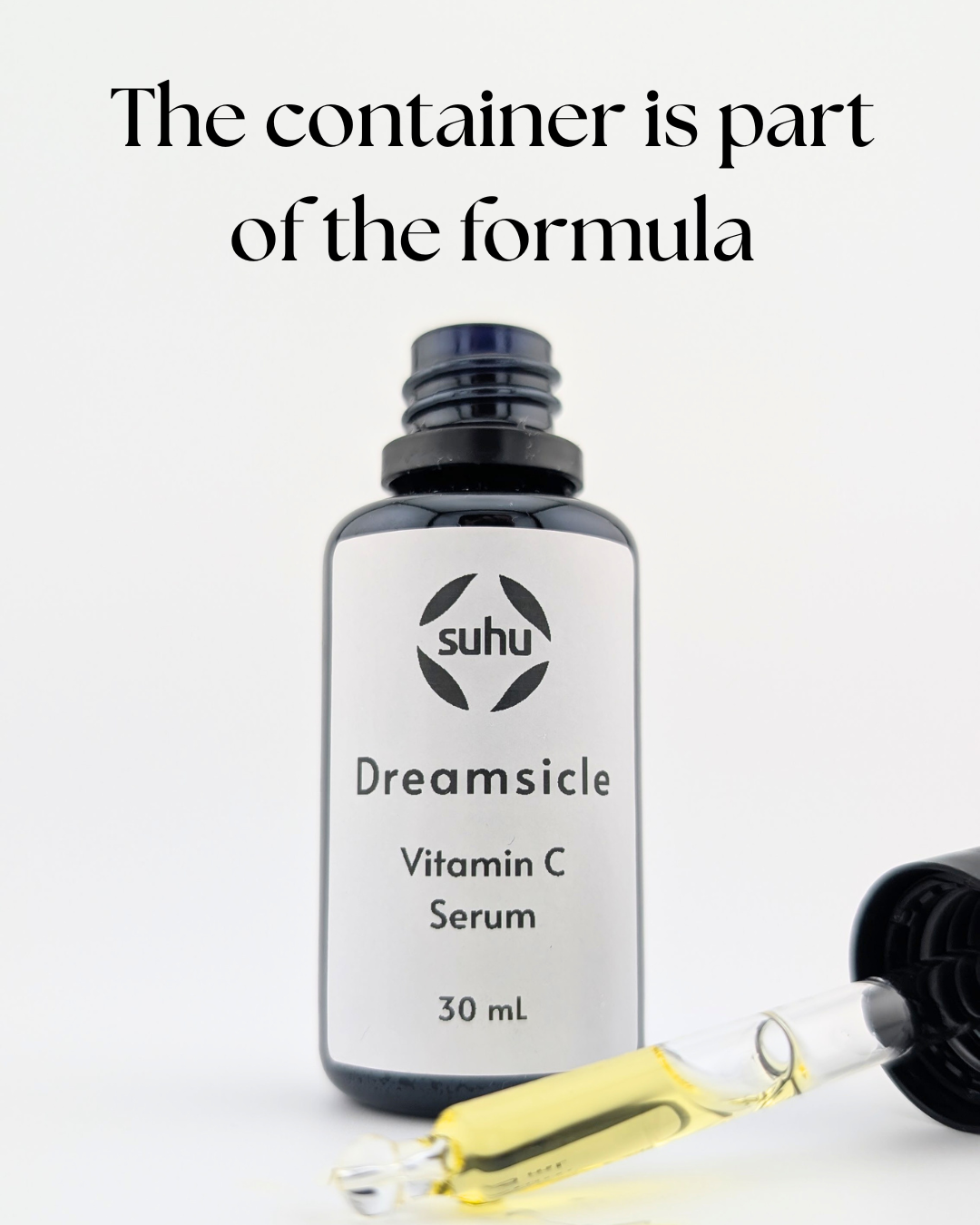
How Packaging Affects What’s Inside
Packaging is often treated as an afterthought. It is seen as branding, protection during shipping, or a sustainability choice. What gets less attention is how packaging directly affects the stability and performance of the formula inside.
Skincare does not exist in isolation once it is bottled. Exposure to light, air, heat, and contamination all influence how an ingredient behaves over time. Packaging is part of the formulation system.
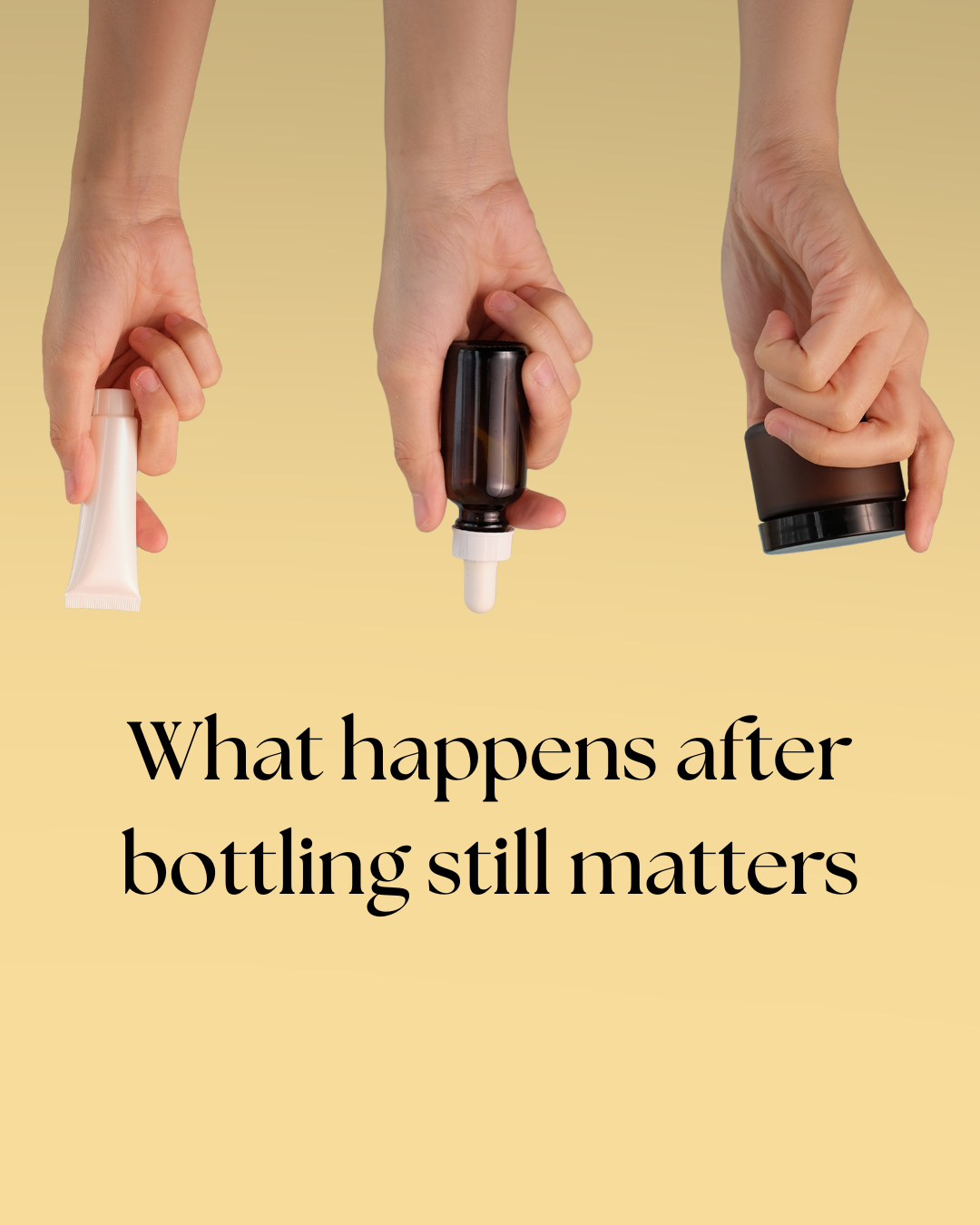
Oxygen Changes Active Ingredients
Many skincare ingredients are sensitive to oxidation. When exposed to air, certain compounds degrade, lose potency, or form byproducts.
Vitamin C in its pure form is particularly unstable in the presence of oxygen and light, which is why oxidized formulas often darken over time. Oxidation reduces efficacy and can increase irritation potential if degradation products accumulate (review).
Airless pumps, dropper designs with limited headspace, and smaller batch sizes can reduce repeated oxygen exposure. Open jars, by contrast, allow continuous air exchange with every use.
The container determines how much oxygen the formula encounters during its lifespan.
Light Degrades More Than Color
Ultraviolet and visible light can trigger chemical reactions in certain ingredients, accelerating degradation.
Retinoids and some antioxidants are particularly light-sensitive. Photodegradation reduces their activity and shortens shelf life (study).
Opaque or amber packaging helps protect light-sensitive formulas. Clear bottles may look minimal and transparent, but if the formula inside is photoreactive, the aesthetic choice affects stability.
Packaging transparency and chemical stability are not always aligned.
Heat and Storage Conditions Matter
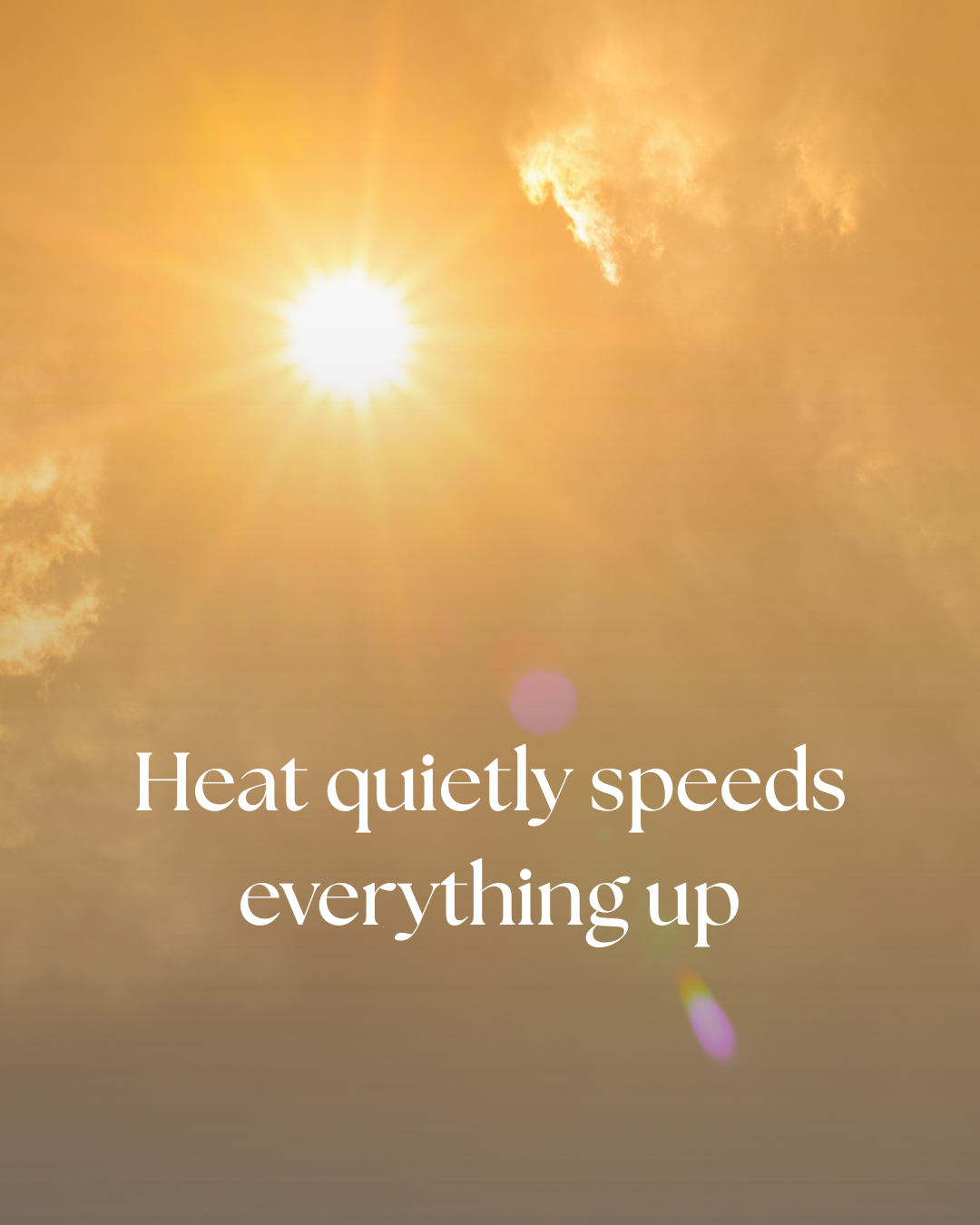
Temperature influences reaction rates. Higher heat accelerates chemical breakdown and oxidation.
While most cosmetic stability testing accounts for expected storage conditions, real-world exposure varies. Products stored near windows, heaters, or in cars experience more stress.
Packaging materials can either insulate or conduct heat. Glass, for example, provides chemical inertness but does not buffer temperature fluctuations. Plastic can vary widely depending on composition and thickness.
Shelf stability is not only about preservatives. It is about how well the container protects the formula from environmental change.
Repeated Contact Affects Integrity
Packaging also affects contamination risk.
Jar packaging requires direct contact with fingers, increasing the potential for microbial introduction. Preservative systems are designed to manage this risk, but repeated exposure still challenges stability over time (review).
Pump dispensers and dropper systems reduce direct contact but do not eliminate air exchange entirely. No packaging is perfect. Each design involves tradeoffs between convenience, sustainability, and protection.
Understanding those tradeoffs clarifies why packaging choices matter.
Material Choice and Chemical Compatibility
The interaction between formula and container is another consideration.
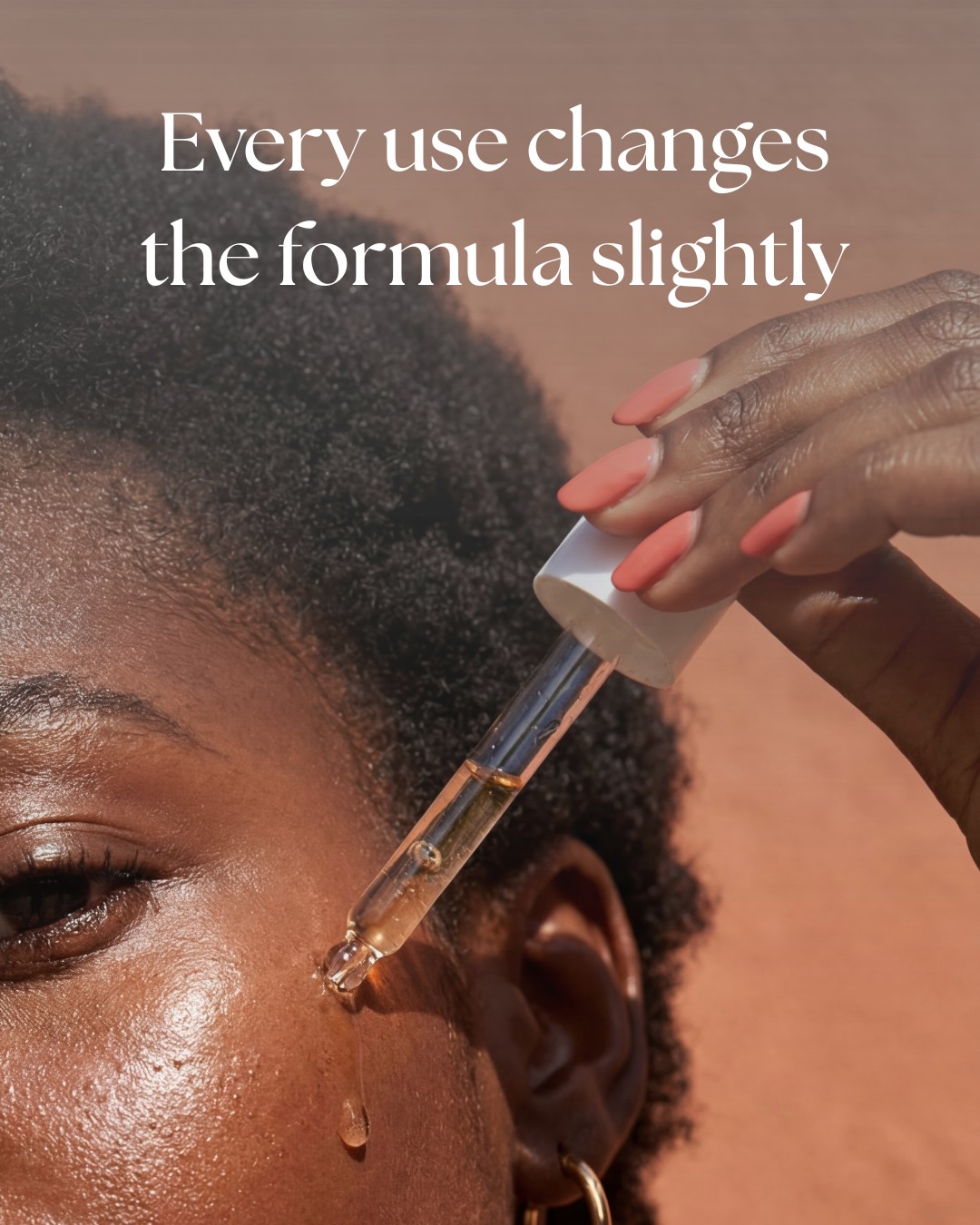
Some active ingredients can adsorb into certain plastics or react with packaging components. Compatibility testing ensures that materials do not leach into the formula and that the formula does not degrade the container.
This is especially important for oil-based products, which can interact differently with plastics compared to water-based formulas.
Packaging is selected not only for appearance but for chemical compatibility and long-term stability.
Sustainability and Performance Are Connected
Packaging decisions often involve environmental considerations. Recyclability, material weight, and reusability all influence environmental footprint.
However, sustainability is not only about the container’s end-of-life. If packaging fails to protect the formula and shortens usable lifespan, product waste increases.
A stable formula that remains effective throughout its intended shelf life reduces waste more effectively than a minimally packaged product that degrades prematurely.
Performance and sustainability intersect at durability.
Bottom Line
Packaging is not separate from formulation. It is an extension of it.
Light, air, heat, and contact shape how ingredients behave after production. When packaging is chosen thoughtfully, it preserves stability, protects potency, and reduces waste.
What surrounds a product quietly influences what it can deliver.